

Impact Windows & Doors in Miami & South Florida
Impact windows and doors, engineered for the HVHZ
Hurricane-rated glass and doors, engineered and permitted to code, often with insurance premium savings.
Impact Windows & Doors by ReNova
Hurricane-rated glass and doors, permitted to HVHZ code, often with insurance savings. One consultant manages design, permits, crews and the final walk-through.
- Impact-rated windows in single-hung, casement, horizontal roller and picture styles
- Impact French, sliding glass and entry doors
- Engineering, permits and inspections
- Clean install with stucco and trim finishing
- Documentation for wind-mitigation reports
- My Safe Florida Home program eligible work
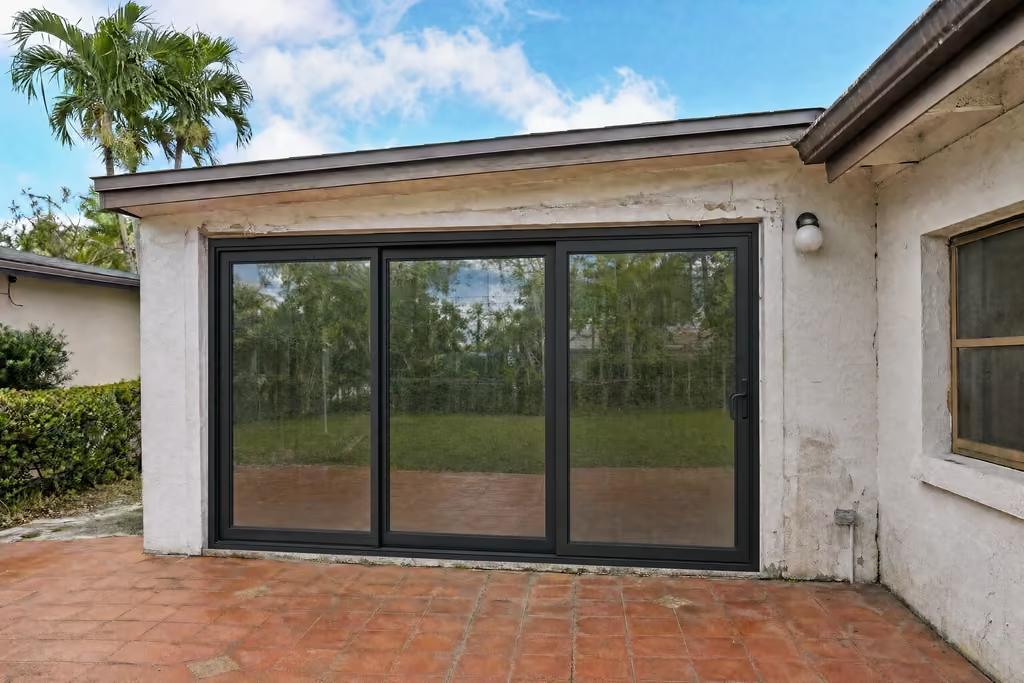
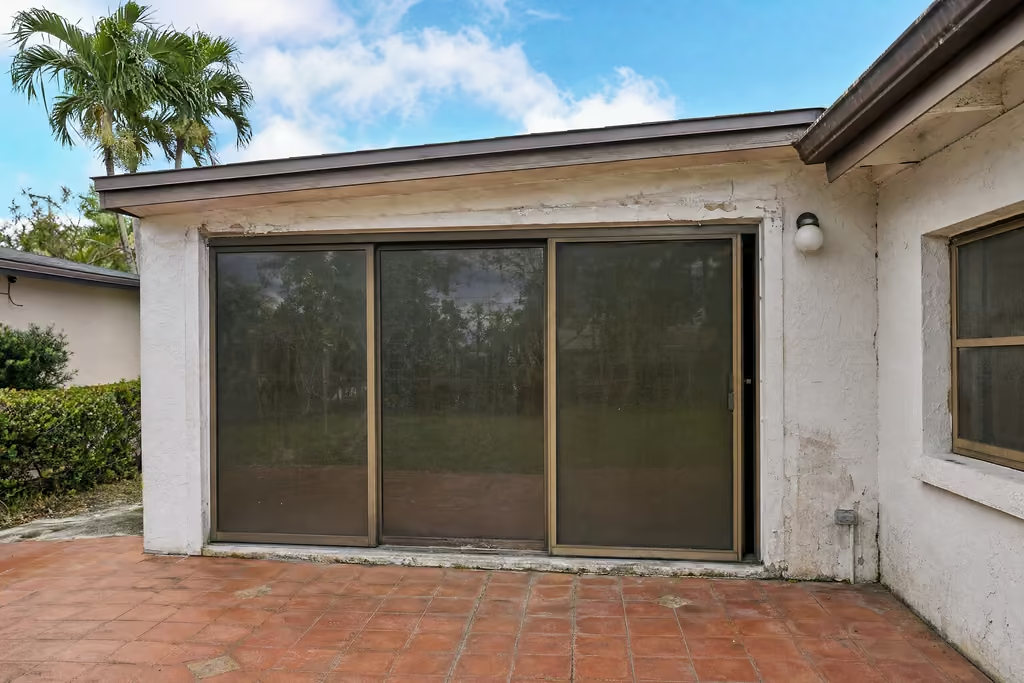
Style, frame and glass, your way
Pick a style, a frame color and a glass tint to see them together. Your consultant confirms what is available in the approved product line for your home.

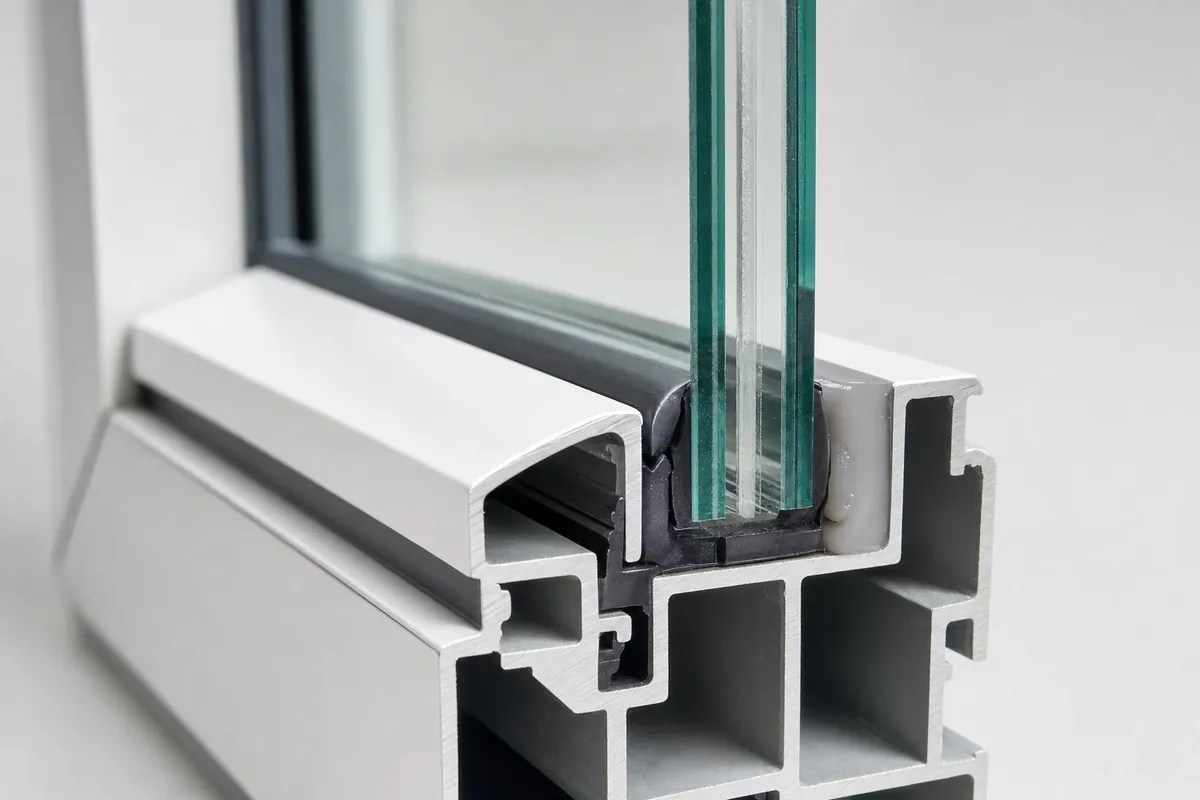
- Laminated glass
- Clear interlayer
- Glazing seal
- Aluminum frame
Why impact glass holds
Impact glass is laminated: two layers of glass bonded to a tough interlayer. If debris cracks it, the pieces stay stuck to the interlayer and the opening stays closed.
The interlayer can be clear, or white for privacy: daylight still comes in, but the view does not.
Glass, frame and seals are tested together as one unit and need a Florida product approval, plus a High Velocity Hurricane Zone approval in Miami-Dade and Broward.
Illustrative rendering
The bottom sash slides up and the top stays fixed. The most common window in South Florida homes.
Your designSingle hung · White frame · Clear glass · Clear interlayer
Get a quote for this designStyles, colors, tints, frosted glass and interlayers vary by product line and opening size.
Installed to resist hurricane winds
An impact opening is only as strong as its installation. Choose a window or a sliding door to see the general order our crews follow in a South Florida concrete block home.
Remove and prepare
The old window comes out, and we check the opening and the wood buck around it, if there is one. Rotted or wrong-size bucks are replaced, not built up with extra wood. The new window will be anchored into this opening, so it has to be solid and square.
Set the frame
The new impact frame is set in the opening on shims, then checked for plumb, level and square so the sashes open and lock properly. The product approval limits what the shims are made of and how thick they can be.
Anchor it
Anchor screws go through the frame into the buck, block or concrete, at the type, spacing and depth the product approval lists. With a thin buck, they pass through it into the masonry. These anchors are what carry storm pressure from the window into the wall.
In Florida Impact windows need a current Florida Product Approval or an accepted local approval, such as a Miami-Dade NOA (Notice of Acceptance). The anchor details are part of that approval.
Laminated impact glass
Impact glass is two or more layers of glass bonded to a tough plastic interlayer. If debris cracks the glass, the interlayer holds the pieces in place and is designed to keep the opening closed.
In Florida Impact windows for South Florida homes typically pass a large missile test, a 9 lb two-by-four fired at the window, followed by thousands of pressure cycles.
Seal the perimeter
Outside, sealant is run where the frame meets the wall, to keep wind-driven rain from getting behind the window. Inside, the sealant, trim and any finish work often wait until the inspector has checked the shims and anchors.
Inspect and document
Many South Florida building departments check the anchors and shims before the inside is sealed and trimmed, then do a final inspection, sometimes in the same visit. Once it passes, we close out the permit. You keep the product approvals and permit records for your wind-mitigation report and insurance.
In Florida Leave the product labels on until the final inspection passes. Inspectors use them to confirm the installed window matches its approval.
General sequence only. Anchor type, spacing and depth come from the product approval for each window, and required inspections vary by city. Your proposal and permit list the exact products.
Get an impact window estimateRemove and prepare
The old door comes out, and we check the opening, the buck and the floor where the sill will sit, repairing or replacing anything damaged. A flat, level and solid sill line is what keeps the panels rolling and sealing.
Set the sill in sealant
A continuous bed of sealant goes down where the sill will sit, and the sill is pressed into it, either on its own or already joined to the frame. Screw holes through the sill get sealant too. This joint sits where water collects, so it gets extra care.
Frame and anchors
The frame is shimmed plumb, level and square, then anchored into the buck, block or concrete. The anchor type, spacing and depth come from the product approval, and the inspector checks them against it.
In Florida Impact doors need a current Florida Product Approval or an accepted local approval, such as a Miami-Dade NOA (Notice of Acceptance). The anchor details are part of that approval.
Panels with impact glass
The panels go in after the frame is anchored, and the sliding panels are set on their rollers. Each holds laminated impact glass: two or more layers of glass bonded to a tough interlayer that holds together if it cracks.
Locks and hardware
Impact doors use the locking hardware they were tested with, often multi-point locks that latch at several points along the panel. That keeps the panel tight to the frame under storm pressure.
Seal and weatherstrip
Sealant goes around the outside of the frame where it meets the wall, and the weatherstripping is checked so the panels close tightly against wind-driven rain. Inside sealant, trim and screw covers often wait until the inspector has seen the anchors.
Inspect and document
We adjust the panels so they roll and lock smoothly. The building department checks the anchors and shims before trim covers them, sometimes at the final inspection. Once it passes, we close out the permit, and you keep the approvals for your wind-mitigation report.
General sequence only. Anchors, sill details and hardware come from the product approval for each door, and required inspections vary by city. Your proposal and permit list the exact products.
Get an impact door estimateGrant-eligible storm protection
ReNova is a certified My Safe Florida Home contractor. Eligible homeowners may receive matching grants for opening protection and roof improvements after a free wind-mitigation inspection.
- We explain eligibility and paperwork
- Impact windows, doors and roof upgrades
- Installed and documented to program requirements
Impact windows & doors questions
Can I combine this with a roofing project?
Yes. Many clients bundle roofing with home projects so one consultant manages the schedule, crews and paperwork.
Is financing available?
Yes. We offer more than 20 financing options, including Ygrene, Synchrony and PACE financing through Ygrene. Some options don't require a credit score. Others include 0% APR, zero down and up to 24 months with no payments, subject to credit approval.
Everything for your home, one contractor
Interior Remodeling
Kitchens, bathrooms, flooring and full renovations managed by one licensed contractor.
Learn more →Driveways & Pavers
Paver driveways, walkways, patios and pool decks on a compacted base.
Learn more →Pergolas & Outdoor Living
Pergolas, covered patios and outdoor rooms engineered for wind load.
Learn more →Fencing
Aluminum, vinyl and wood fencing with pool-code gates.
Learn more →HVAC
High-efficiency AC replacement sized for your home and climate.
Learn more →Let's talk about your project.
A few details are all we need to get started. One project consultant stays with you from the estimate to the final inspection.
- Free inspection · (305) 561-9514
- info@renovaroofandhome.com
- 8222 NW 14th St, Doral, FL 33126
- Office hours: Mon–Fri, 9 am – 6 pm · Free quotes 7 days a week
Florida Certified Roofing Contractor · Lic. CCC1337107
Serving Miami-Dade, Broward and Palm Beach counties